Odor and fixture assessment
We identify the strongest odor point and ask when it appears, then check nearby fixtures for shared symptoms. This helps separate a single dry trap from a branch-line or sewer concern before cleaning begins.
Drain odor removal Woburn MA helps homeowners and businesses get rid of sewer-like smells, sour sink odors, and musty floor-drain air. We trace the odor to its source, then clean or repair the affected drain instead of masking the smell. Our drain smell removal Woburn service is useful when odors return after rinsing, worsen after a storm, or come with slow drainage, bubbling, or a dry trap.
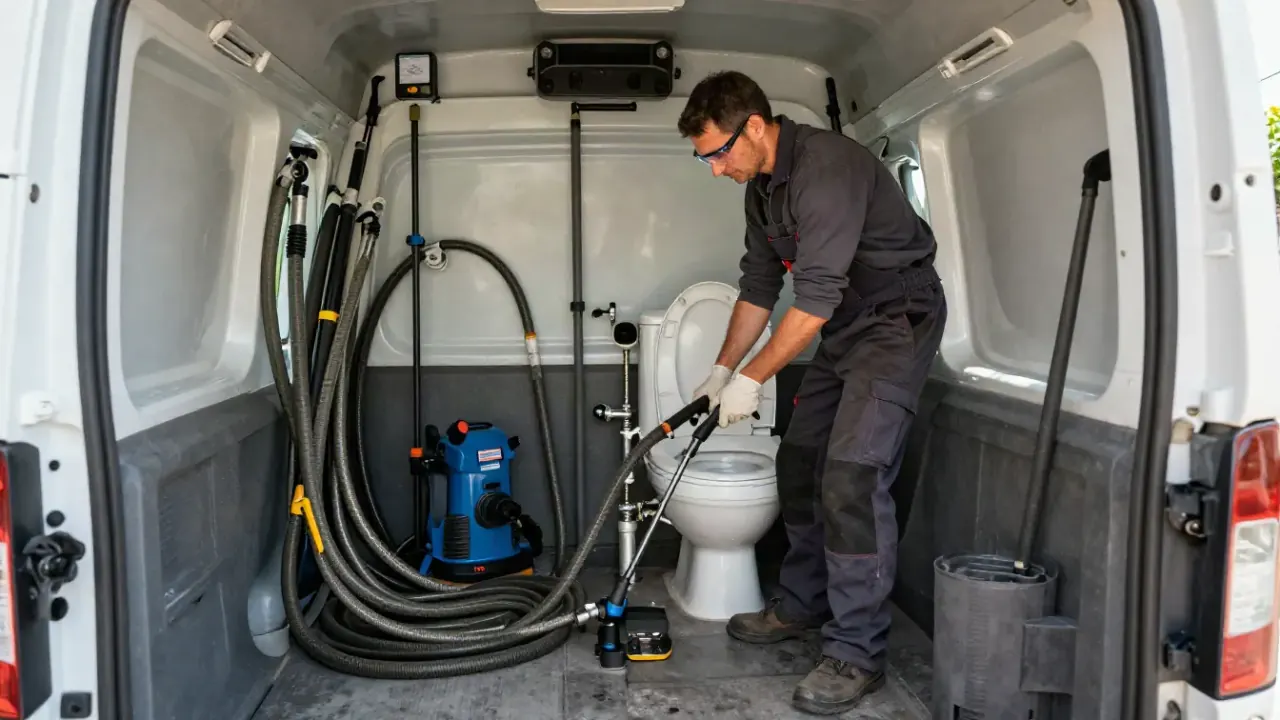
Drain odor removal Woburn MA is a plumbing service that locates and corrects odor sources in drains, traps, and connected sewer piping. The work starts by identifying which fixture or floor drain releases the smell, then checking water seals, visible connections, flow, and accessible pipe condition. We remove odor-producing biofilm and sludge with a method suited to the pipe, clear a partial obstruction when present, and verify drainage afterward. A drain odor is a symptom, not a diagnosis; the right fix depends on whether the cause is buildup, a dry trap, a venting issue, or a damaged connection.
In Woburn, odors often show up in rarely used basement fixtures, laundry drains, kitchens with grease buildup, or older cast iron lines with pipe scale. A dry trap can let sewer gas pass into a room, while a clogged drain can hold stagnant organic material. If you are asking why does my drain smell Woburn MA, note when the odor appears, whether nearby fixtures gurgle, and whether the smell follows rain or heavy water use. Those details help us narrow the inspection.
Our service covers locating the likely odor source, checking accessible traps and drain connections, cleaning the affected line, and testing fixture flow. If inspection reveals a damaged pipe, persistent sewer-line issue, or inaccessible vent concern, we explain the appropriate next diagnostic or repair step. You receive a clear explanation of the work completed and practical maintenance guidance.
We identify the strongest odor point and ask when it appears, then check nearby fixtures for shared symptoms. This helps separate a single dry trap from a branch-line or sewer concern before cleaning begins.
We inspect accessible traps and connections for a lost water seal, visible leakage, or residue. Running water through the fixture shows whether drainage is slow, noisy, or holding water that could contribute to odor.
We remove accessible buildup with a method suited to the obstruction and pipe condition. Mechanical cleaning addresses material that may be holding stagnant water, while more involved cleaning is chosen only when the line and access support it.
We run water through the treated fixture, check for steady drainage, and confirm the trap retains water. If the odor remains, we explain the evidence and the next inspection needed instead of claiming the source is solved.
We explain simple ways to reduce repeat odors, such as keeping seldom-used traps wet and avoiding grease disposal. You also learn which warning signs-gurgling, recurring slow flow, or multiple affected fixtures-call for a deeper line check.
We ask where the smell is strongest, when it began, and whether it changes after water use or rainfall. Then we check nearby fixtures, visible traps, and drain flow. This first visit stage usually takes 15 to 30 minutes, depending on how many drains are involved. You can point out past clogs or repairs while we map the symptoms.
We inspect accessible traps for standing water, leaks, and residue, then run water through the affected fixture. A dry trap, loose fitting, or slow drain points us toward different fixes. We use a plunger only where appropriate and avoid forcing pressure into a fragile or blocked line. You will know what we found before cleaning starts.
For soft buildup, we may use a suitable drain cleaning solution or mechanical cleaning; for a deeper obstruction, a drain snake or plumbing auger reaches farther into the line. We match the tool to pipe material and access. If the odor suggests a broken connection or sewer issue, we explain the inspection needed rather than masking the symptom.
We remove accumulated residue and clear the immediate path, protecting the surrounding area as we work. A typical fixture cleaning takes roughly 30 to 90 minutes after diagnosis, while more than one branch line adds time. You can expect some equipment noise and brief pauses while we check flow; we keep the fixture usable as soon as practical.
We run water for several minutes, check for normal drainage and odor at the fixture, and make sure the trap retains its water seal. If a camera inspection or repair is warranted, we show you why. Before leaving, we share simple maintenance guidance and the signs-such as gurgling or a recurring smell-that should prompt a follow-up.
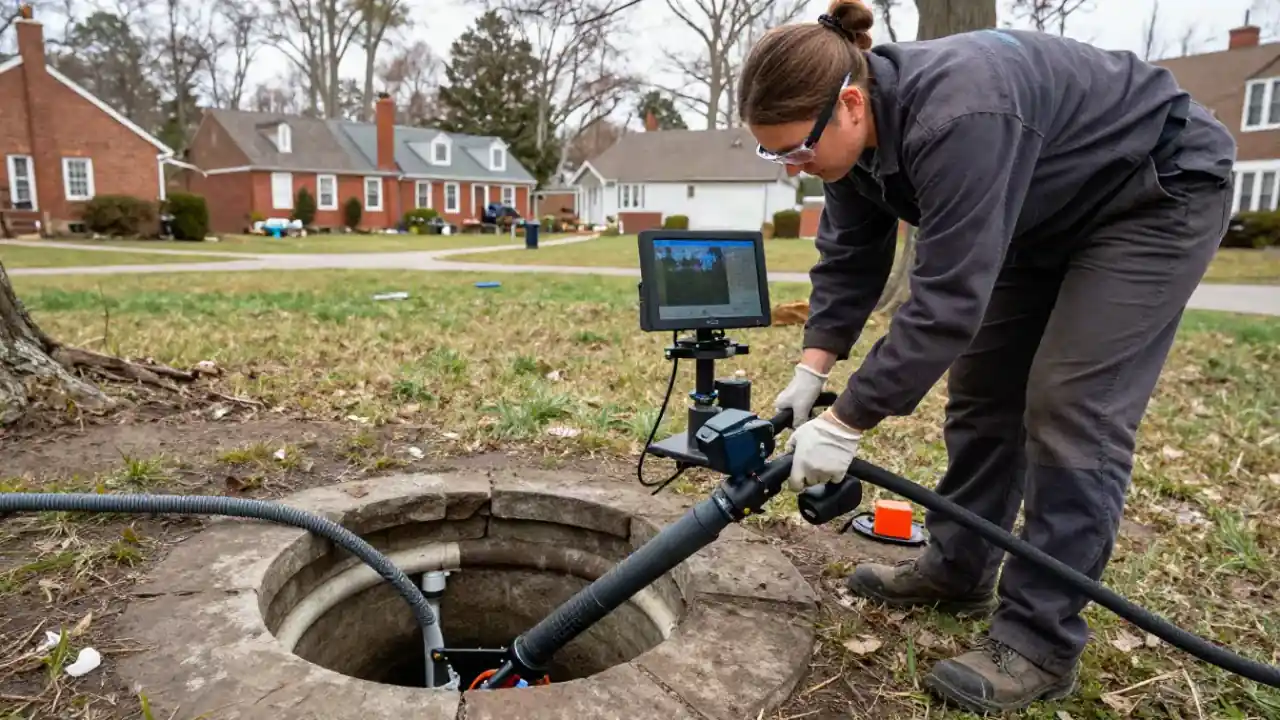
We ask where the smell is strongest, when it began, and whether it changes after water use or rainfall. Then we check nearby fixtures, visible traps, and drain flow. This first visit stage usually takes 15 to 30 minutes, depending on how many drains are involved. You can point out past clogs or repairs while we map the symptoms.
We use a drain camera to inspect an accessible line when odor returns, several fixtures are affected, or a simple cleaning does not explain the symptoms.
A plumbing auger reaches into a branch line to loosen or retrieve an obstruction that is holding stagnant water and odor-producing debris.
A RIDGID drain snake provides controlled mechanical reach for suitable branch-line blockages. We select the cable and approach based on the pipe and access.
For compatible piping with heavy residue, a hydro jetting machine can scour deposits from the line using directed water. We assess condition before recommending pressure cleaning.
A pipe wrench helps us access certain serviceable trap connections when inspection or cleaning requires disassembly. We protect fittings and check for leaks when reassembled.
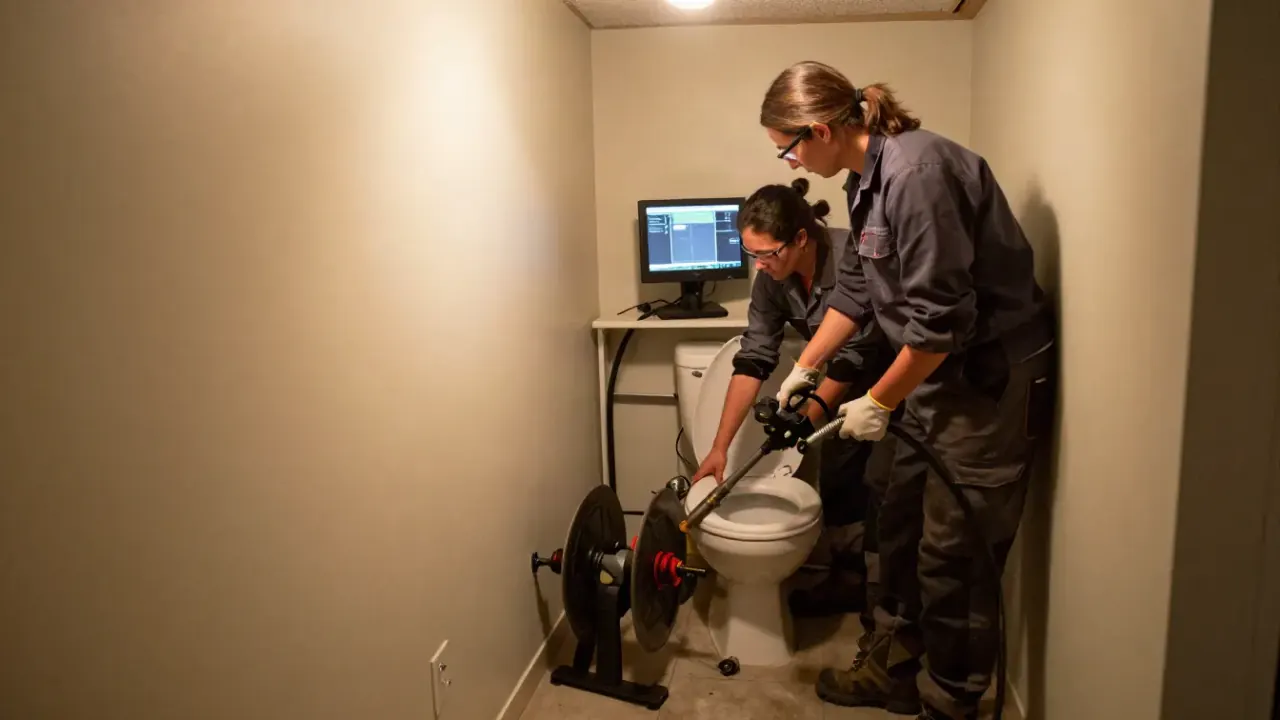
A homeowner in North Woburn noticed a sewer smell near a basement floor drain after the space had been closed for several weeks. The drain was not backing up, but the odor returned after the room aired out. Other fixtures worked normally, making a dry trap or local residue more likely than an immediate main-line blockage.
After: We found the trap had lost much of its water seal and removed residue at the drain opening. After restoring the seal, we ran water through the nearby fixtures and checked the floor drain again. The odor was no longer detectable during the visit, and drainage remained clear through a several-minute test.
Book this service →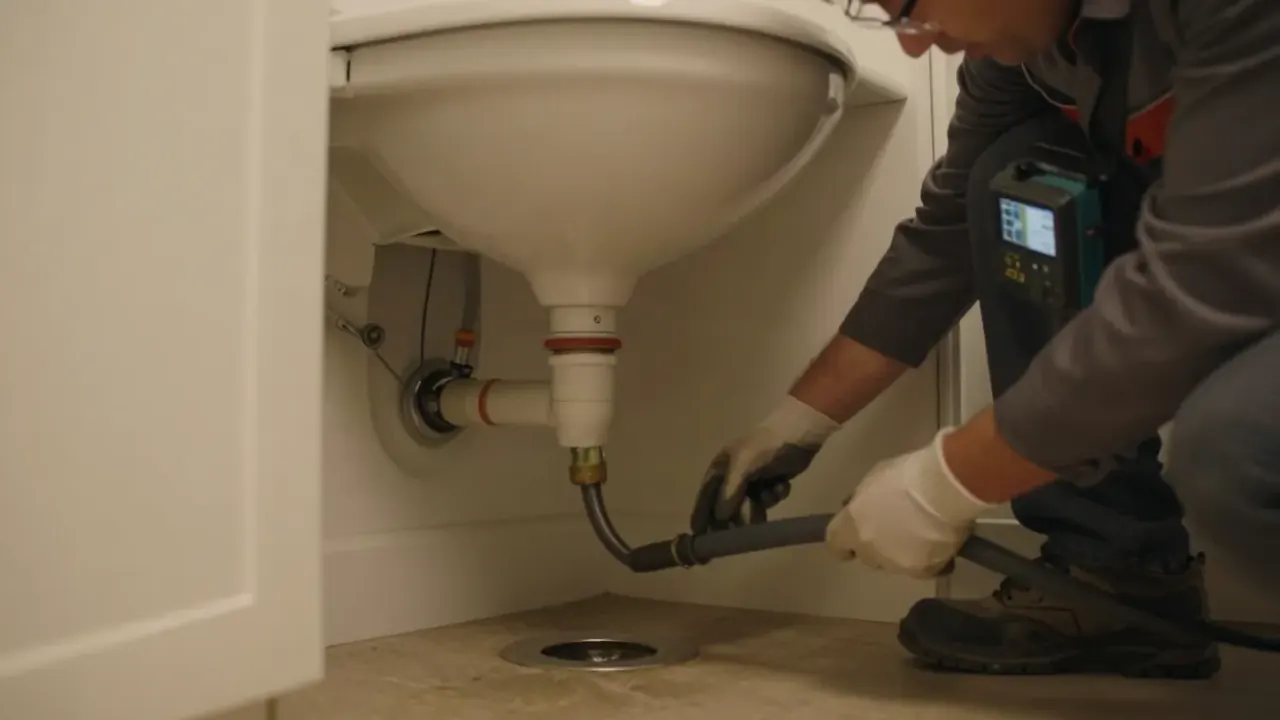
A Woburn kitchen sink smelled sour after meals even though water still drained. Repeated rinsing reduced the odor briefly, but it returned after disposal use. The pattern suggested food residue or grease in the trap and branch rather than a blockage at the sink opening alone.
After: We inspected the disposal connection and trap, then removed accumulated residue from the accessible drain path. The sink cleared in under a minute during the flow test, with no lingering odor at the opening. We also checked the connections for leakage before returning the kitchen to normal use.
Book this service →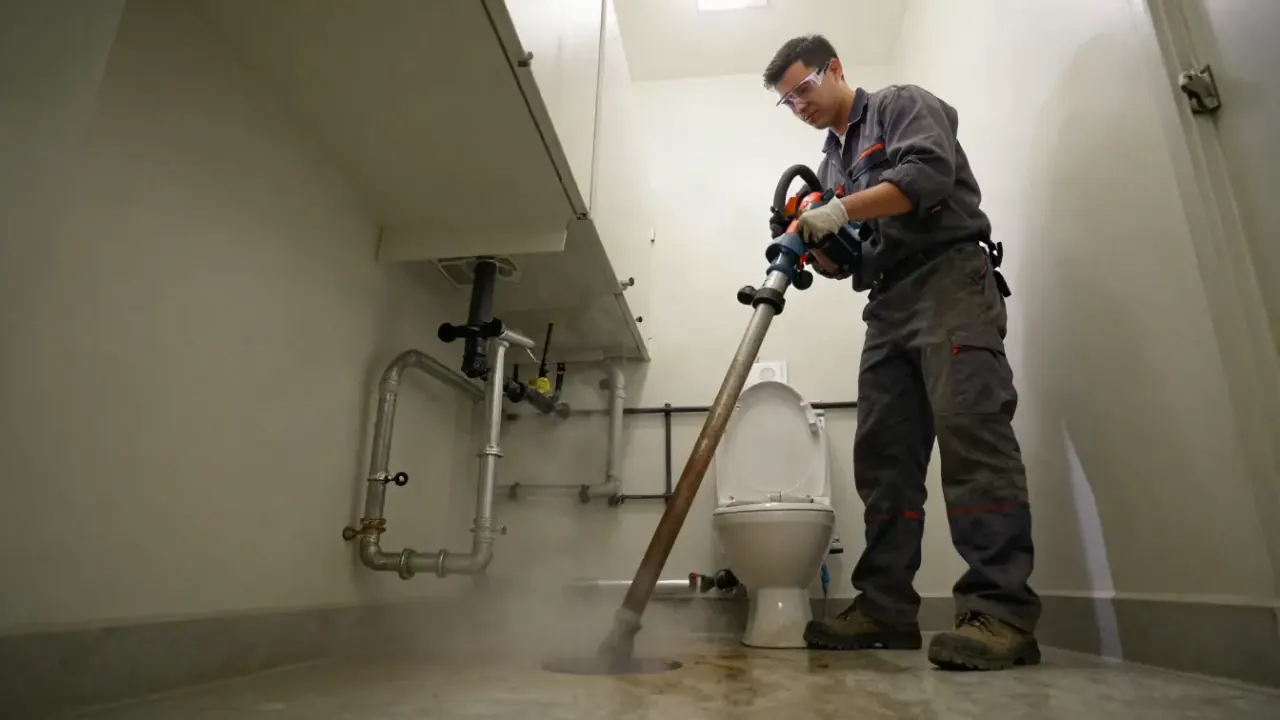
A homeowner near Woburn Center reported odor at two bathroom drains and occasional gurgling after laundry use. Cleaning one sink had not helped. Because symptoms appeared at multiple fixtures, the concern was a shared branch restriction rather than separate trap residue at both locations.
After: We compared flow at the affected fixtures and used camera inspection to check the accessible line. The inspection showed buildup restricting flow, not a visible break. After appropriate cleaning, both bathroom fixtures drained steadily during repeated tests and the laundry discharge no longer triggered the same gurgling.
Book this service →If you are wondering how to remove drain odor Woburn, the answer depends on what is feeding it. A dry water seal, residue, or a hidden line defect each needs a different response. We identify the pattern, treat the cause we can confirm, and test the drain before finishing.
Ask a pro →We check whether the floor-drain trap holds water and inspect the opening for sludge or debris. If the seal is dry, we restore it and verify that the odor eases; if the trap loses water again quickly, we investigate why. We also check nearby drains for a shared problem before recommending further work.
We inspect the sink, disposal connection, and trap, then remove reachable buildup with an appropriate cleaning method. We test the sink at normal flow and explain how to reduce new grease accumulation. If odor persists beyond the fixture branch, camera inspection can help locate the remaining source.
We compare flow across the affected fixtures and check the main line when symptoms point beyond one trap. A sewer camera can show roots, scale, or standing wastewater that a fixture-level cleaning will miss. We clear a suitable obstruction and explain whether the line needs repair.
We remove the blockage, clean the accessible drain path, and run water to verify drainage. If the trap is dry or the odor remains after cleaning, we check the water seal and nearby connections. You get a specific answer on whether routine cleaning resolved it or further inspection is needed.
A Woburn drain often smells because of a dry trap, trapped organic buildup, a partial clog, or a faulty pipe connection. If the odor is strongest at one fixture, we start there; if several drains smell or gurgle, we check for a shared branch or sewer concern. Note whether running water briefly reduces the smell and whether it returns after rainfall. Those clues help us choose the right inspection.
In Woburn, a straightforward drain odor visit commonly costs about $150 to $450, while camera work or a deeper sewer-line issue can raise the total to $450 to $900 or more. Typical 2026 pricing depends on access, number of fixtures, buildup, and whether repair is needed. We identify the likely cause and provide upfront pricing before work proceeds; drain odor removal cost Woburn MA is not one flat rate.
A sewer smell inside a Woburn home usually enters through a dry or damaged trap, a loose drain connection, or a problem in connected sewer piping. Basement floor drains that rarely receive water are common places to check first. If several fixtures smell at once, or you hear gurgling and see slow drainage, stop using chemical products and arrange an inspection. We trace the odor and test the affected drains.
Yes, many drain odors in Woburn can be treated without chemical cleaners by restoring a dry trap, mechanically removing residue, or clearing a blockage. We inspect first and select a method suited to the pipe and the source. Mechanical cleaning is not a fix for a cracked line or failed seal, so we check drainage and visible connections afterward. Avoid mixing household products, which can create hazardous fumes.
A recurring drain smell deserves a source check, not another cover-up. Call ClearLine Sewer & Drain Cleaning at (781) 851-1094 to describe the fixture, odor, and any slow drainage. Our team will help identify the right next step and provide upfront pricing before work proceeds.
Request service (781) 851-1094 →Call ClearLine Sewer & Drain Cleaning at (781) 851-1094 to discuss a clogged sink, sewer backup, or commercial drain issue in Woburn, MA. Our team answers service inquiries during business hours and handles urgent requests by phone; tell us which fixtures are affected and whether water is actively backing up so we can understand the priority.