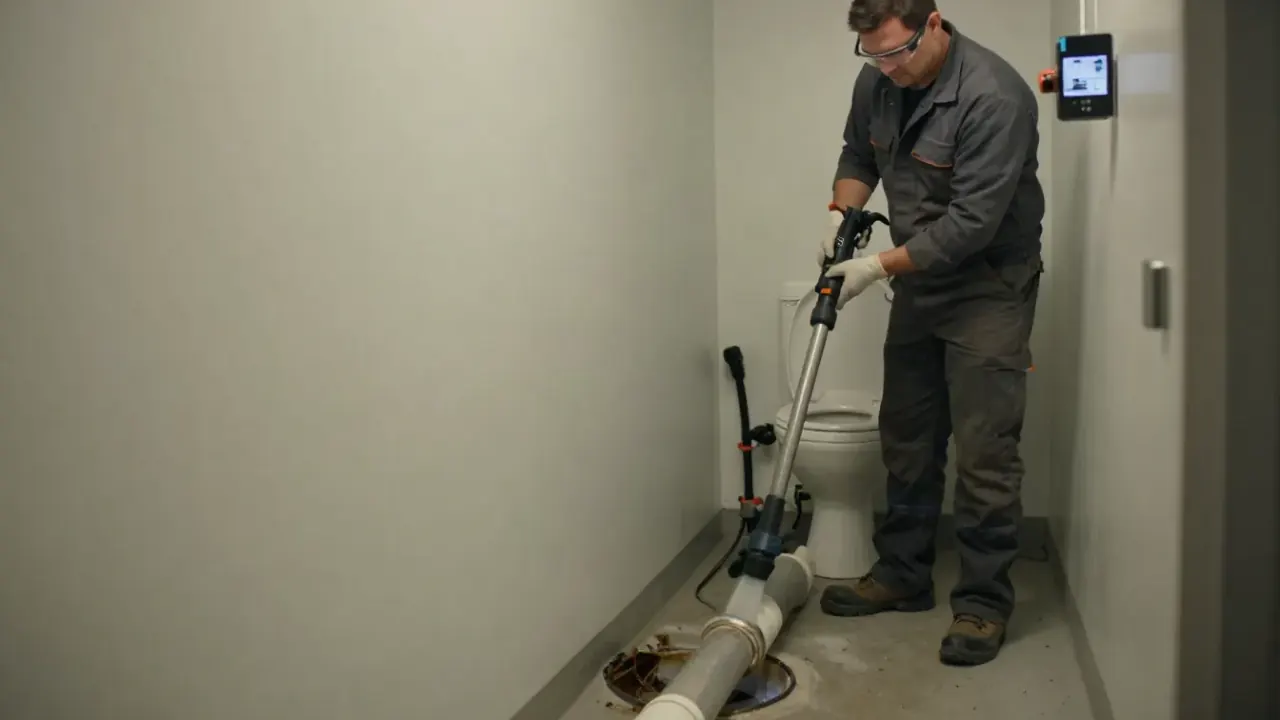
Root removal Woburn MA helps homeowners and property managers facing recurring toilet clogs, slow drains, or a sewer backup. At ClearLine Sewer & Drain Cleaning, we locate root intrusion, clear growth from the pipe, and inspect the line so you know whether cleaning is enough or repair is needed. If wastewater is backing up or several fixtures are affected, call us before the blockage worsens.
Root removal Woburn MA is a sewer-line cleaning service that cuts and clears invasive roots causing restricted flow or recurring blockages. Roots enter through tiny openings at joints or cracks, then spread where moisture and nutrients are present. We first identify the affected line, then use appropriate cutting equipment to clear the obstruction without treating the pipe as if it were new. A sewer camera inspection after clearing shows whether the pipe wall remains intact, whether scale or debris still restricts flow, and whether repair should be discussed.
In Woburn, older buried sewer connections, mature landscaping, and freeze-thaw cycles can make a small joint defect a repeat problem. Sewer root removal Woburn is useful when toilets gurgle, a basement floor drain backs up, or multiple fixtures slow at once. If you are searching how to remove roots from sewer line Woburn MA, the durable answer starts with cutting the growth and inspecting the pipe; repeated chemical treatments alone do not close an entry point.
Root removal covers locating the affected line, clearing accessible root growth, and checking that flow improves. Where access allows, we can use a camera to assess the cleared section and explain visible pipe concerns. Structural sewer repair, excavation, and replacement are separate work from cutting roots; we will tell you if inspection points to one of those needs.
01
✓
Symptom and Access Review
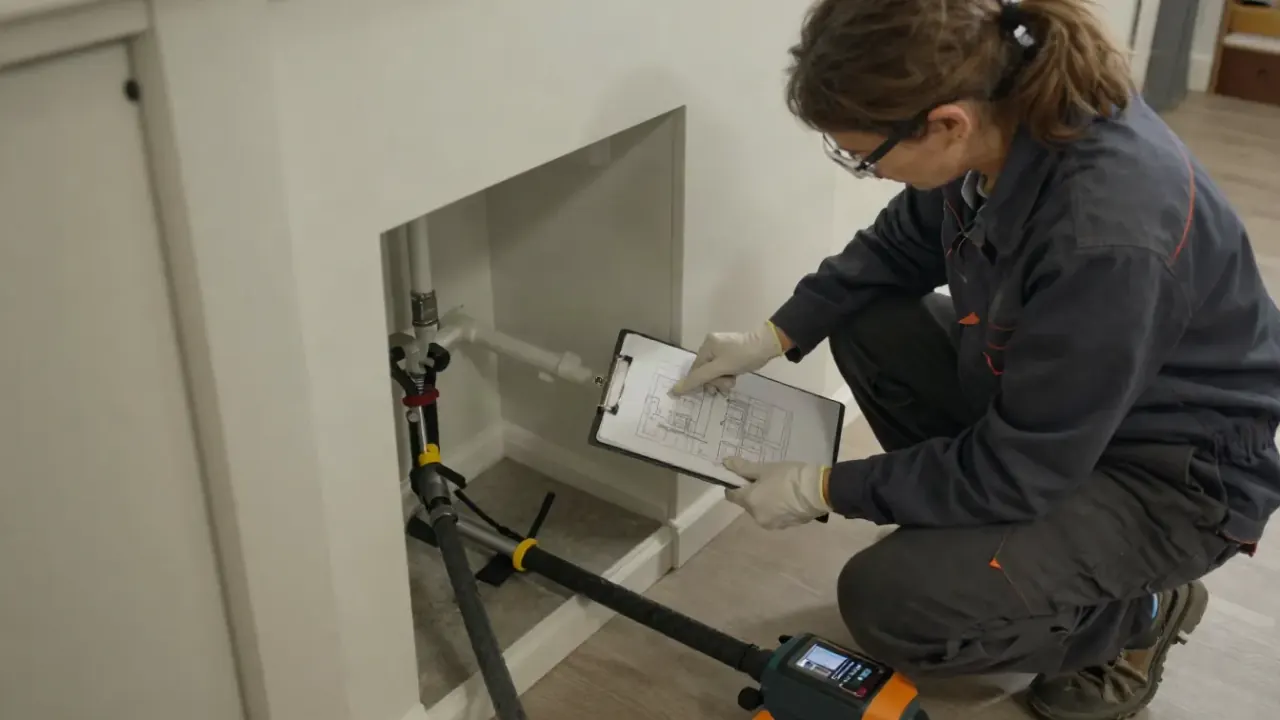
We ask which fixtures are affected, when symptoms occur, and whether the problem has returned. Then we locate a suitable cleanout or access point and identify practical protections for the work area. This helps us choose the right route into the sewer without assuming every clog is caused by roots.
02
✓
Root Cutting and Clearing
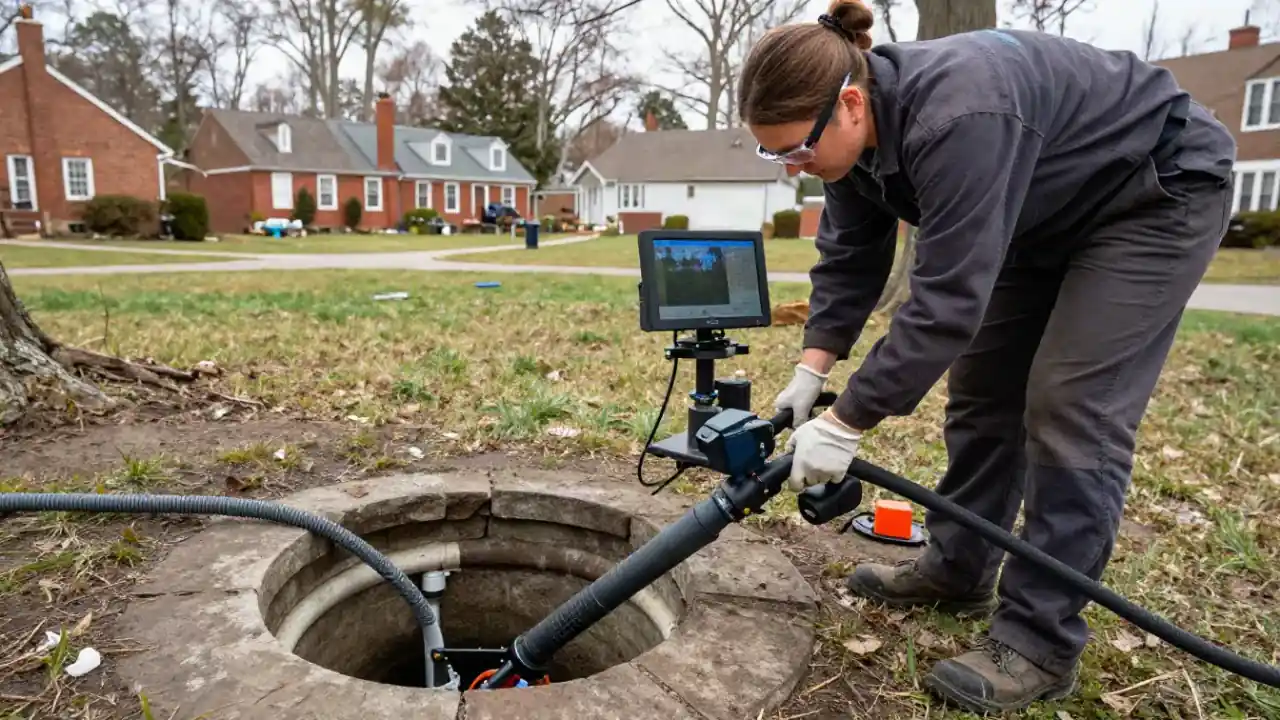
We run appropriate cable equipment through the affected line to cut and loosen root growth that is restricting flow. The cutter and approach depend on access and pipe condition. We remove the obstruction from the flow path, then check whether the line drains more freely.
03
✓
Flow and Fixture Test
After clearing, we run water through the affected fixtures and look for improved drainage or continued signs of a downstream restriction. This check helps confirm the immediate result. If several fixtures were involved, we test more than one where practical.
04
✓
Camera Findings Review
When conditions allow, we inspect the cleared sewer section with a camera and explain visible roots, cracks, offsets, or standing water. You get a practical account of what the footage shows. A camera can identify concerns but does not itself repair a pipe opening.
How it works
What to Expect During Service
We ask which fixtures are slow, when the backup began, and whether the problem has returned before. A single sink clog points to a different branch than several toilets gurgling together. This discussion usually takes 10 to 15 minutes and helps us choose a cleanout or other access point without opening walls unnecessarily.
Our technician locates the available cleanout and checks the surrounding area before setting up the equipment. We protect nearby flooring and keep the work zone controlled, especially when a basement drain has already overflowed. If there is no accessible cleanout, we explain the practical access options before proceeding.
We feed a drain snake or root-cutting cable through the line and match the cutter to the pipe and blockage. The tool cuts roots into removable pieces while the technician monitors resistance and cable travel. Clearing commonly takes 30 to 90 minutes, with more time needed for dense growth, long runs, or repeated obstructions.
After flow improves, we can run a sewer camera through the cleared section to look for open joints, cracks, offsets, or remaining debris. A camera inspection often takes 20 to 45 minutes, depending on line length and access. We show you the relevant findings and explain what they mean in plain language.
We run water through affected fixtures and confirm that wastewater moves through the line. Before we pack up, we review the work completed, any visible pipe concerns, and useful maintenance timing. If the camera shows a defect, we explain repair choices rather than implying that root cutting permanently seals the pipe.
STEP 01Trace the Symptoms
We ask which fixtures are slow, when the backup began, and whether the problem has returned before. A single sink clog points to a different branch than several toilets gurgling together. This discussion usually takes 10 to 15 minutes and helps us choose a cleanout or other access point without opening walls unnecessarily.
Tools & methods
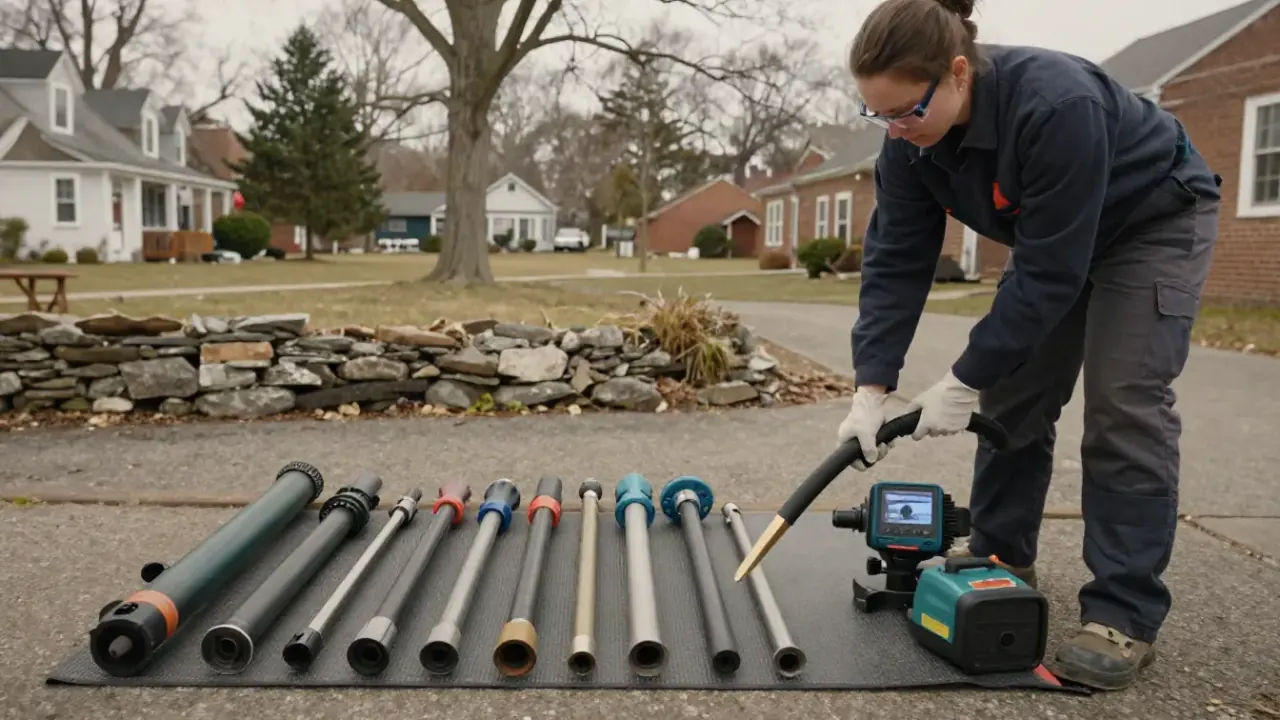
Tools and Clearing Methods
01
✓
RIDGID drain snake
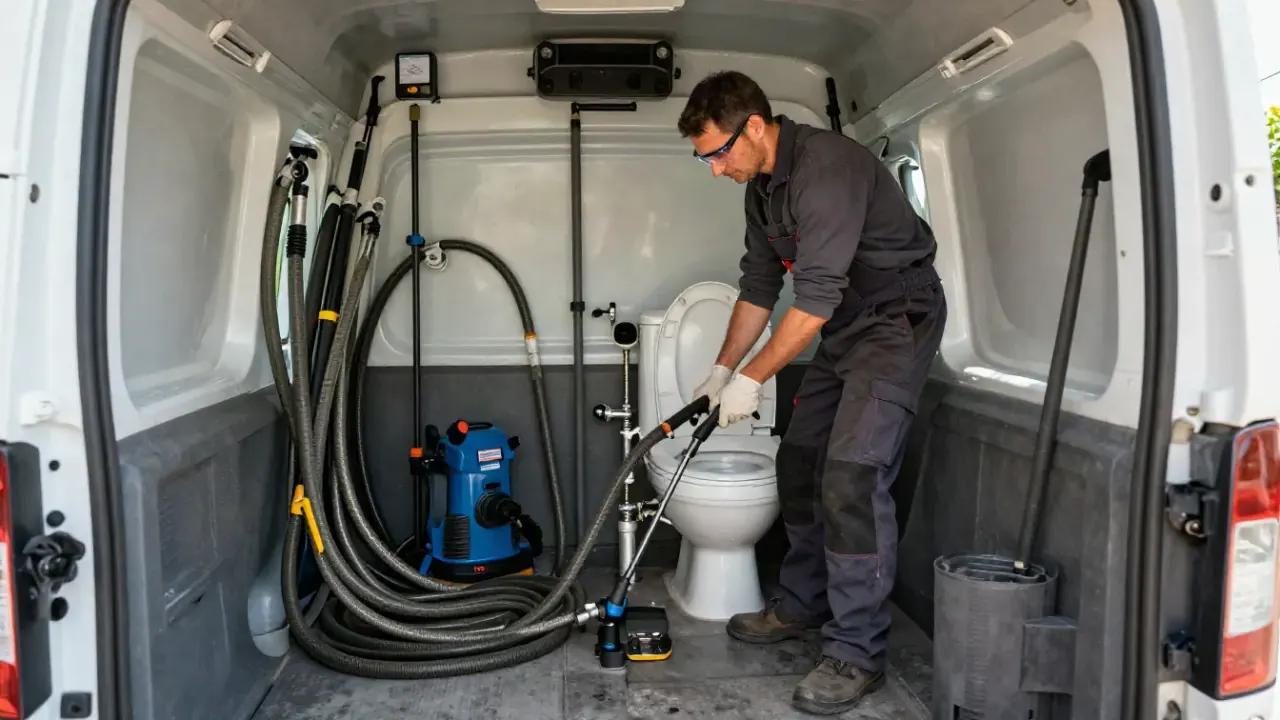
A powered cable carries an appropriate root-cutting head through an accessible sewer line. The technician monitors cable travel and resistance to clear growth while avoiding unnecessary force on the pipe.
02
✓
Drain camera
A camera travels through the line after clearing to show roots, joints, cracks, offsets, and remaining debris. It helps locate visible concerns and explain why a blockage may return.
03
✓
Inspection crawler
Where line size and access suit the equipment, an inspection crawler provides a controlled view through a sewer section. It helps assess pipe condition beyond the immediate blockage.
04
✓
Rooter machine
A rooter machine turns a flexible cable and cutting head to break apart root masses. We select a head and approach suited to the line and confirm flow after the obstruction is cleared.
05
✓
Hydro jetting machine
A hydro jetting machine can remove loose residue and buildup from compatible pipe after roots are addressed. We consider inspection findings and pipe condition before recommending water jetting.
Real results
Before and after.
Root Removal
Recurring Basement Backup
A homeowner had gurgling toilets and wastewater appearing at a basement floor drain whenever several fixtures ran. Previous clearing restored flow briefly, but the backup returned. Without a camera view, the cause was uncertain: root growth, a damaged joint, or debris could all restrict the main sewer.
After: We cut root growth through the accessible cleanout, restored flow, and inspected the cleared section with a camera. The fixtures drained during testing, and the homeowner could see the joint where roots were entering. The immediate blockage was removed, with repair identified as the option for addressing the entry point.
Several drains in a North Woburn home had slowed over a few weeks, and one toilet clogged twice. The problem did not behave like a single sink blockage. Water use across bathrooms increased the symptoms, suggesting a shared restriction farther down the sewer line.
After: We used a root-cutting cable to clear the obstruction and tested the affected fixtures. A follow-up camera pass showed improved flow and remaining root entry at a joint. The homeowner had working drains and a clear explanation of the difference between removing growth and repairing the opening.
A Woburn commercial property reported multiple restroom fixtures draining slowly during busy hours. Staff had already cleared individual toilets, but the symptoms returned because the restriction was downstream of the fixtures. The operator needed the shared sewer checked before the next period of heavy use.
After: We accessed the main line, removed root growth, and ran water through the affected fixtures to verify improved drainage. Camera inspection showed the cleared section and a visible joint concern. The property manager received a practical distinction between restored flow and the structural repair needed to address future entry.
Root intrusion often starts quietly, then creates repeated drain symptoms as the pipe opening narrows. Root removal for main sewer line Woburn MA helps clear growth that affects several fixtures at once. We focus on the obstruction and check whether a pipe defect remains, so you can address both flow and the likely cause.
Several toilets gurgle while a basement floor drain begins backing up.
We check the pattern across fixtures, access the sewer line, and use a root-cutting cable if growth is present. After clearing, we test flow and inspect the line where possible. If a crack or open joint remains, we explain the repair need so the blockage is not mistaken for a permanent fix.
↗02
The same sewer blockage returns weeks or months after cleaning.
We clear the current roots and use a sewer camera to look for the joint or defect allowing them in. The inspection helps distinguish recurring growth from pipe scale or another obstruction. We then discuss a practical maintenance interval or repair option based on what is visible.
↗03
Slow drains and drain odor appear across multiple rooms.
We identify whether the symptoms point to the main sewer or separate branch lines. If roots are narrowing the main, we cut and clear the growth, then test affected fixtures. If the odor has another source, such as a dry trap, we explain that finding rather than treating roots as the only possibility.
↗04
A commercial restroom backs up during busy operating hours.
We assess which fixtures are affected and whether the issue is local or in the shared sewer line. When root intrusion is confirmed, we clear the obstruction and verify flow. Camera findings help a property manager plan repair work without confusing immediate service with structural correction.
↗
Proof you can check
Service Standards and Proof
Massachusetts Plumbing License · Commonwealth of Massachusetts
Master Plumber License · Commonwealth of Massachusetts
Journeyman Plumber License · Commonwealth of Massachusetts
OSHA Safety Certification · Occupational Safety and Health Administration
Root clearing commonly costs $250 to $900 in Woburn, depending on access, blockage severity, and inspection needs. A straightforward cable clearing through an accessible cleanout costs less than dense roots in a long line or a job requiring additional camera work. Typical 2026 pricing is confirmed before work begins; sewer repair is separate from clearing. We explain the work and price so you can choose the appropriate next step.
Yes, we can cut and clear tree roots from many accessible sewer lines in Woburn, often within 1 to 3 hours. We use a root-cutting cable and may follow with a sewer camera to check for the opening that let roots enter. Clearing removes the obstruction, but it does not seal a cracked joint or broken pipe. If the inspection shows structural damage, we explain repair options.
Properly selected root-cutting equipment clears growth without intentionally cutting sound pipe, and a camera check helps assess visible condition. Older cast iron pipe, brittle sections, cracks, or shifted joints need a more cautious approach than intact PVC pipe. We consider access and pipe condition before choosing a cutter. If the line is already damaged, clearing can reveal that defect; it cannot restore missing pipe material.
A camera inspection and timely repair of an open joint are the most direct ways to reduce repeat root entry. Roots follow moisture into existing openings, so cutting them without correcting a defect often leads to another blockage. Avoid planting large-rooted trees over the sewer route, and schedule inspection if clogs recur within 6 to 12 months. We can recommend a maintenance interval based on what the camera shows.
Recurring clogs, gurgling toilets, or sewage at a floor drain call for a closer look. Our team will discuss the symptoms, clear root growth where found, and explain camera findings. Call ClearLine Sewer & Drain Cleaning at (781) 851-1094 to arrange service.
Call ClearLine Sewer & Drain Cleaning at (781) 851-1094 to discuss a clogged sink, sewer backup, or commercial drain issue in Woburn, MA. Our team answers service inquiries during business hours and handles urgent requests by phone; tell us which fixtures are affected and whether water is actively backing up so we can understand the priority.