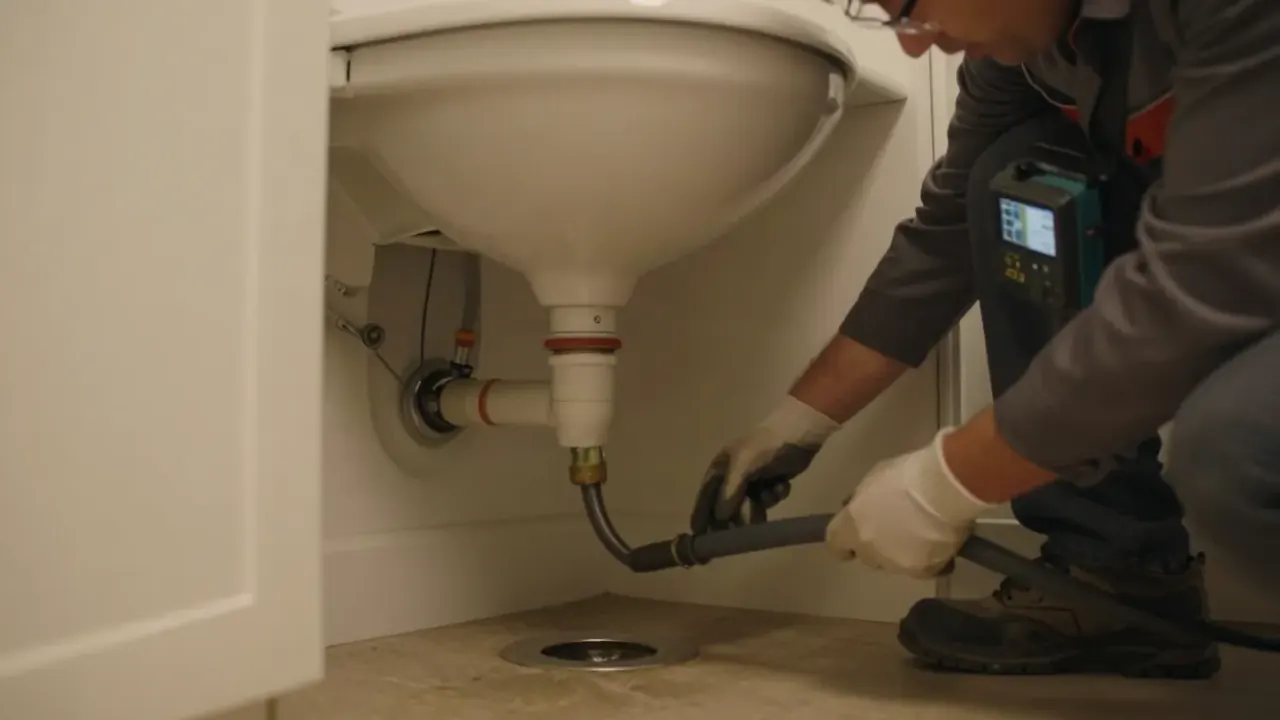
Main sewer line cleaning Woburn MA helps restore flow when toilets gurgle, several fixtures drain slowly, or sewage backs up into a lower-level drain. We serve homeowners and businesses across Woburn, Massachusetts, locating the blockage before choosing a drain snake, rooter machine, or water jet. If multiple drains fail at once, call us before repeated plunging pushes contaminated water farther into your home.
Main sewer line cleaning Woburn MA is a plumbing service that clears obstructions from the shared waste pipe carrying wastewater from a building to the sewer connection. We first identify the access point and symptoms, then use mechanical cabling or controlled high-pressure water to break up roots, grease, sludge, and other buildup. A sewer camera helps us check the pipe before and after cleaning when conditions allow. The goal is restored passage, not merely a temporarily quiet toilet, and we explain any visible damage that cleaning alone cannot correct.
In Woburn, a main-line blockage often shows up as several fixtures draining poorly at the same time, a floor drain backup, or recurring toilet clogs after ordinary plunging. Older cast iron pipe can collect scale and rough deposits, while roots may enter through joints in buried sections. Our main sewer line unclogging Woburn service starts with those clues and the building's access layout. If you are searching for signs main sewer line is clogged Woburn MA, note which fixtures react together and whether the problem worsens after laundry or heavy household water use.
Main sewer line cleaning covers symptom review, access setup, mechanical or water-based clearing suited to the pipe, and a flow check afterward. We explain any optional camera inspection or additional cleaning needed for a longer section. If inspection shows a broken or displaced pipe, repair is a separate service because clearing an obstruction cannot restore damaged structure.
01
✓
Symptom and access check
We ask which fixtures are affected, identify the lowest drain, and locate a suitable cleanout. This helps separate a shared sewer restriction from an isolated branch clog and reduces guesswork before equipment enters the pipe.
02
✓
Mechanical blockage clearing
We use an appropriately sized cable and cutter to break up or retrieve many obstructions. The tool is selected for the material and access, and we work through resistance carefully instead of forcing equipment against a questionable pipe.
03
✓
Water jet cleaning option
Where the pipe condition supports it, controlled jetting can flush grease, loose sludge, and deposits from a broader section of pipe. We consider inspection information and the blockage before using water pressure; it is not the right method for every line.
04
✓
Post-cleaning flow test
We run water through relevant fixtures and watch for normal discharge, gurgling, or backup at a low drain. If the symptoms remain, we explain what the test indicates and whether camera inspection or a separate branch cleaning is the next step.
05
✓
Findings and next steps
We tell you what the cleaning equipment encountered and what any camera inspection revealed. If roots, heavy scale, or a visible defect points to repeat trouble, you receive a practical explanation of maintenance or repair options rather than a promise that cleaning fixes structural damage.
How it works
What to expect during service
We ask which fixtures are affected, when the backup occurs, and whether water use elsewhere changes the symptoms. This usually takes 10 to 20 minutes, depending on access and the number of affected fixtures. You can help by pointing out the lowest drain and any recent recurring toilet clogs; that gives us a useful starting map.
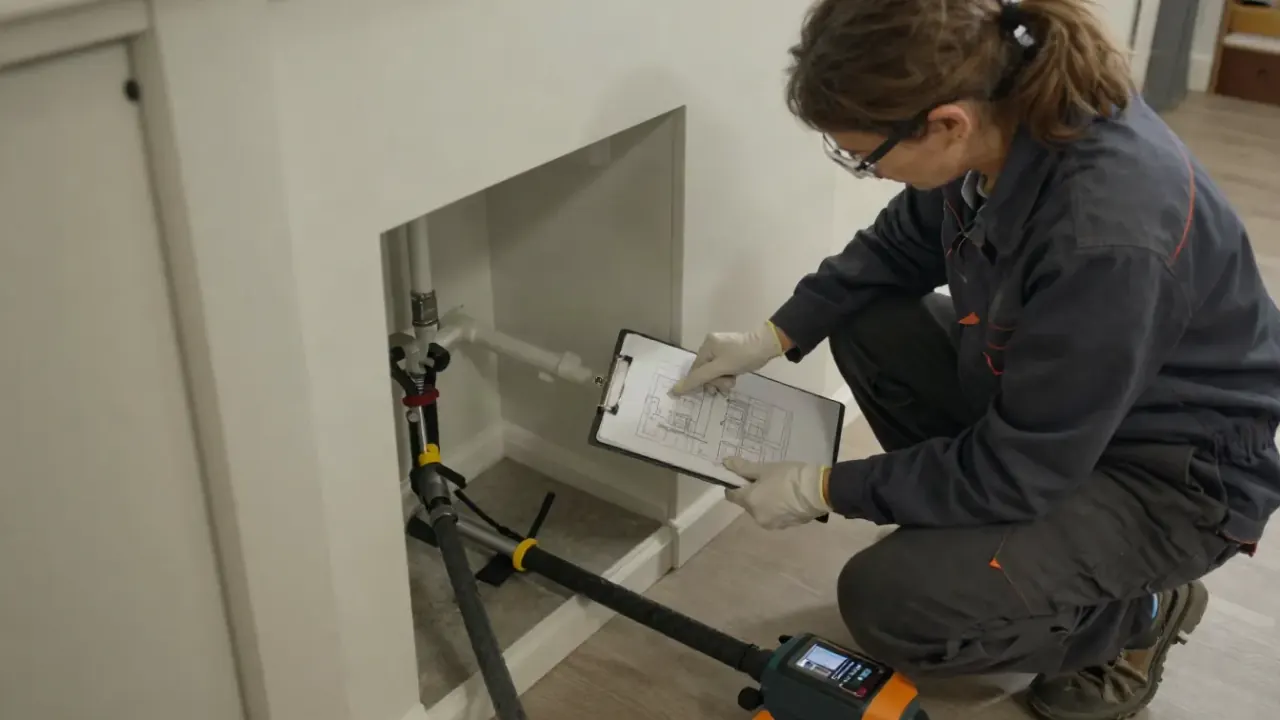
We locate a suitable cleanout or other service access and protect nearby flooring before setting up equipment. A pipe wrench may be used to open a threaded cap carefully, while the selected cable or jetting hose is matched to pipe size and condition. Access and setup often take 15 to 30 minutes, with extra care around older or corroded fittings.
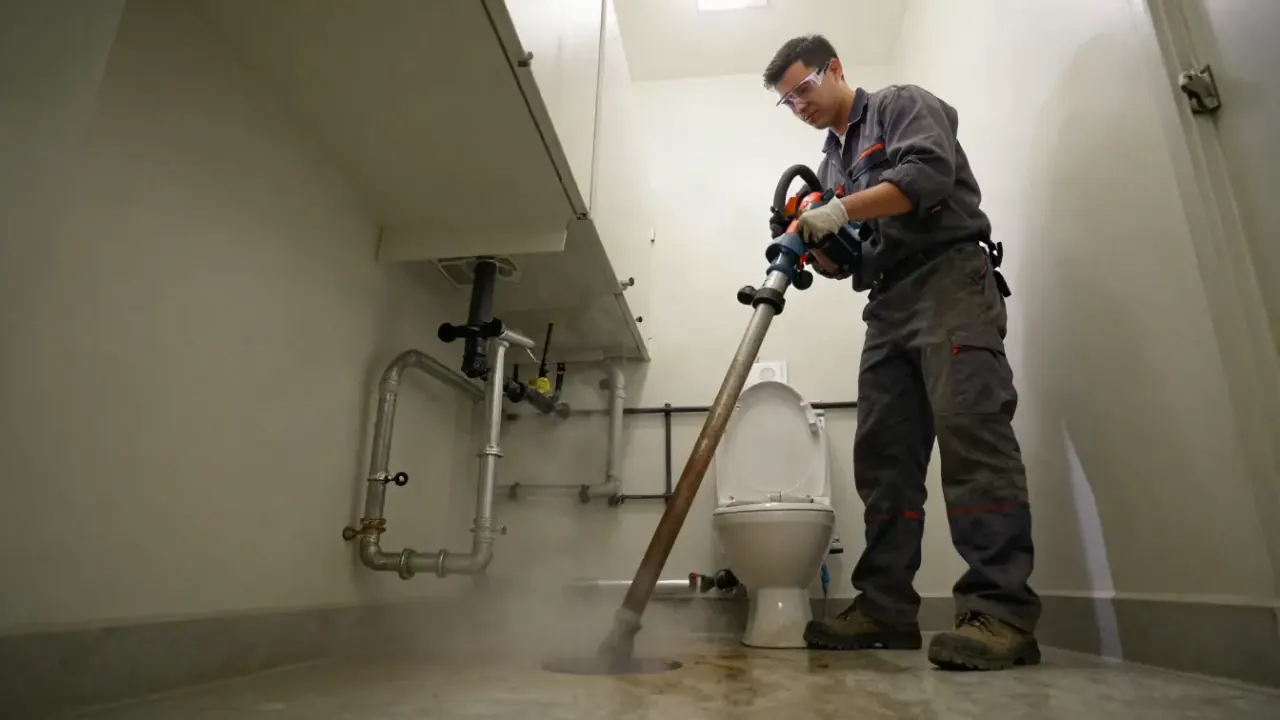
We feed a plumbing auger or rooter cable through the line to cut or retrieve material, or use water jetting when the pipe and blockage are appropriate for that method. The clearing stage often takes 30 to 90 minutes. You may hear equipment working, but we keep the area controlled and explain whether resistance suggests roots, scale, or a dense blockage.
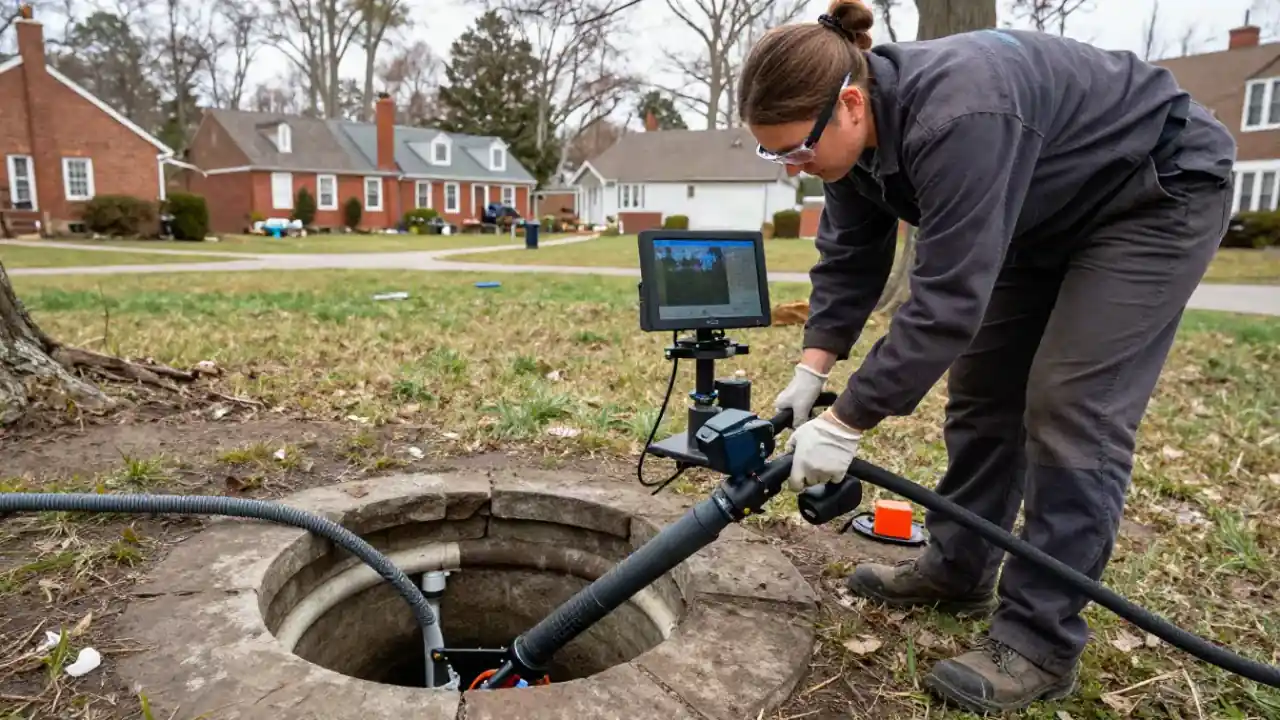
When access and flow allow, we use a sewer camera to check the cleared section for remaining deposits, roots, standing water, or visible defects. A camera pass commonly takes 15 to 40 minutes. The inspection helps answer whether the line is open only at one point or whether a longer stretch needs cleaning, descaling, or a repair discussion.
We run water through selected fixtures and watch for normal discharge, renewed gurgling, or a backup at the lowest drain. Testing usually takes 10 to 20 minutes after cleaning. Before leaving, we tell you what the equipment removed, what the camera showed if used, and which changes in sound or drainage should prompt a follow-up call.
STEP 01Trace symptoms
We ask which fixtures are affected, when the backup occurs, and whether water use elsewhere changes the symptoms. This usually takes 10 to 20 minutes, depending on access and the number of affected fixtures. You can help by pointing out the lowest drain and any recent recurring toilet clogs; that gives us a useful starting map.
Tools & methods
Tools and cleaning methods
01
✓
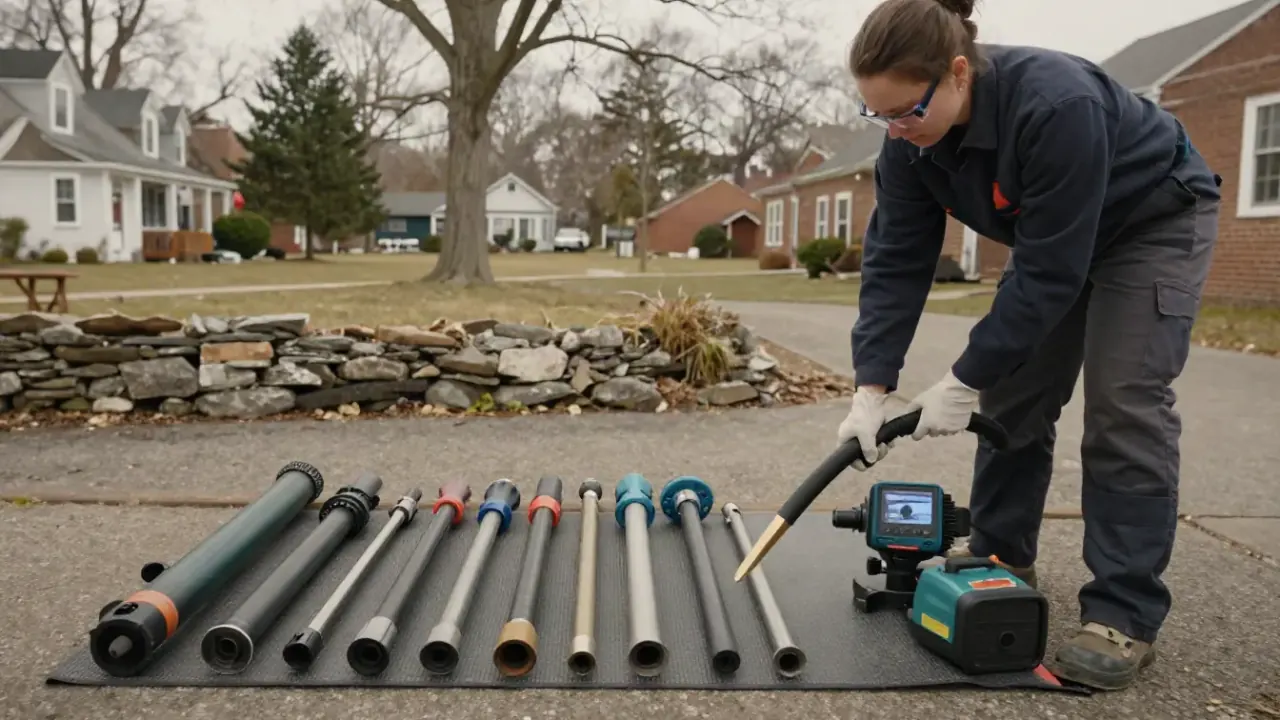
RIDGID drain snake
A powered cable carries cutting or retrieving heads through accessible pipe to break apart many obstructions. We select cable size and head based on pipe diameter, access, and the type of resistance encountered.
02
✓
Hydro jetting machine
A jetting unit sends controlled water through a hose and nozzle to flush suitable deposits from pipe walls. We consider pipe condition and inspection findings before using pressure, especially in older or damaged lines.
03
✓
Sewer camera
A sewer camera shows the accessible interior of a line after flow is restored or when symptoms require diagnosis. It can reveal roots, standing water, scale, and visible joint changes that a cable alone cannot explain.
04
✓
Inspection crawler
Where pipe size and access suit it, an inspection crawler carries a camera through a larger section and helps document conditions. It is a diagnostic tool, not a substitute for clearing a blockage that prevents passage.
05
✓
Pipe descaling tool
A descaling head removes hardened buildup from suitable pipe interiors. We use it selectively after considering pipe material and condition, since aggressive scale removal is not appropriate for every older line.
Real results
Before and after.
Main Sewer Line Cleaning
Basement floor drain backup
A homeowner noticed dirty water rising at the basement floor drain after flushing a nearby toilet. Two other fixtures were slow, and plunging changed nothing. The combined symptoms pointed beyond one bowl, but continuing to run water risked sending more wastewater onto the floor.
After: We cleared the obstruction through the available cleanout and tested the toilet, tub, and floor drain. Water moved away without a renewed rise during the test. The camera check showed remaining pipe conditions clearly enough to explain what had caused the slowdown and what signs to monitor.
A property had needed repeated cable clearing after toilets slowed and a lower drain bubbled. Each visit restored flow briefly, but the symptoms returned. The pattern suggested material was catching at the same point rather than a one-off household obstruction.
After: We opened the line and used camera inspection to look for visible root intrusion and deposits. After cleaning, we ran water through multiple fixtures and observed normal discharge during the test. The findings gave the owner a more specific explanation than simply labeling the line clogged again.
A washer discharge caused a nearby floor drain to bubble, while the kitchen sink seemed normal. Because the washer releases water quickly, the restriction was more obvious during a wash cycle than during ordinary fixture use.
After: We checked the laundry branch and downstream line, cleared the affected obstruction, then tested with controlled water flow. The floor drain stayed clear during the test, and the washer discharged without pushing water back. The focused diagnosis avoided assuming every fixture shared the same blockage.
The signs main sewer line is clogged Woburn MA homeowners notice often begin at the lowest fixtures and spread as water use continues. We trace the affected drains, clear the obstruction, and check whether the symptoms point to a recurring buildup or pipe defect.
Several toilets and sinks slow down at the same time
We compare symptoms across fixtures and access the main line rather than repeatedly plunging each toilet. A cable or suitable jetting method opens the blockage, and we test more than one drain. If the same pattern remains, we inspect the line for roots, scale, or a structural obstruction that cleaning alone will not resolve.
↗02
Sewage or dirty water rises through a basement floor drain
We identify whether the floor drain connects to the affected sanitary line, then clear the blockage through available access. After flow returns, we run controlled fixture tests and check for renewed backup. If water has already entered the room, stopping additional discharge is the priority before cleanup begins.
↗03
Roots or hardened scale keep returning after a basic cable pass
We use a camera inspection when accessible to look for root intrusion, pipe scale, or visible joint issues. Depending on pipe condition, we may use a suitable cutter, jetting, or descaling approach. We explain whether maintenance can manage the buildup or whether a damaged section needs repair.
↗04
Laundry discharge triggers gurgling and a slow floor drain
We observe the laundry drain and nearby fixtures, then trace the obstruction through the branch toward the main sewer. Clearing and testing under controlled water flow show whether the line can handle discharge normally. If the washer branch is the only affected section, we address that branch rather than over-treating the main.
↗
Proof you can check
Credentials and service proof
Massachusetts Plumbing License · Massachusetts Board of State Examiners of Plumbers and Gas Fitters
Master Plumber License · Massachusetts Board of State Examiners of Plumbers and Gas Fitters
OSHA Safety Certification · Occupational Safety and Health Administration
NASSCO PACP Certification · National Association of Sewer Service Companies
A straightforward cleaning often costs $250 to $600 in 2026, while difficult access, heavy roots, or jetting can raise the total to $600 to $1,200 or more. Price depends on access, pipe length, blockage material, and whether camera inspection is needed. We give upfront pricing before work starts. For a more accurate main sewer line cleaning cost Woburn MA estimate, tell us which fixtures are affected and whether you have a usable cleanout.
Several fixtures backing up together, a gurgling toilet, or sewage surfacing at the lowest floor drain are strong signs of a main-line blockage. One slow sink alone usually points to a local branch. Stop running water if wastewater is rising, and note which fixtures trigger the problem. We can inspect the line and determine whether main sewer line unclogging services Woburn Massachusetts are needed or another drain is responsible.
Yes, many blockages are cleared through an existing cleanout without excavation, often in one to three hours. We use a cable machine or suitable jetting equipment, then inspect the pipe when access allows. Digging is considered only if the line has a structural failure, inaccessible blockage, or other condition that cannot be addressed through the cleanout. A camera check helps separate a clog from a broken or displaced pipe.
Common causes include tree-root intrusion, grease buildup, wipes or other foreign material, and scale inside older pipe. Roots exploit small joints or cracks, while grease and sludge narrow the passage over time. Heavy rain does not create every sewer clog, but it can expose an existing restriction when the line is already struggling. We identify the likely cause during cleaning and camera inspection, then explain what can reduce repeat blockages.
If several drains are slow or sewage is rising at a floor drain, call ClearLine Sewer & Drain Cleaning at (781) 851-1094. Our team will ask what you are seeing and arrange the right next step. We provide upfront pricing before work starts.
Call ClearLine Sewer & Drain Cleaning at (781) 851-1094 to discuss a clogged sink, sewer backup, or commercial drain issue in Woburn, MA. Our team answers service inquiries during business hours and handles urgent requests by phone; tell us which fixtures are affected and whether water is actively backing up so we can understand the priority.