Keep kitchen drains flowing and service interruptions down
Grease Trap Cleaning Woburn MA for Busy Kitchens
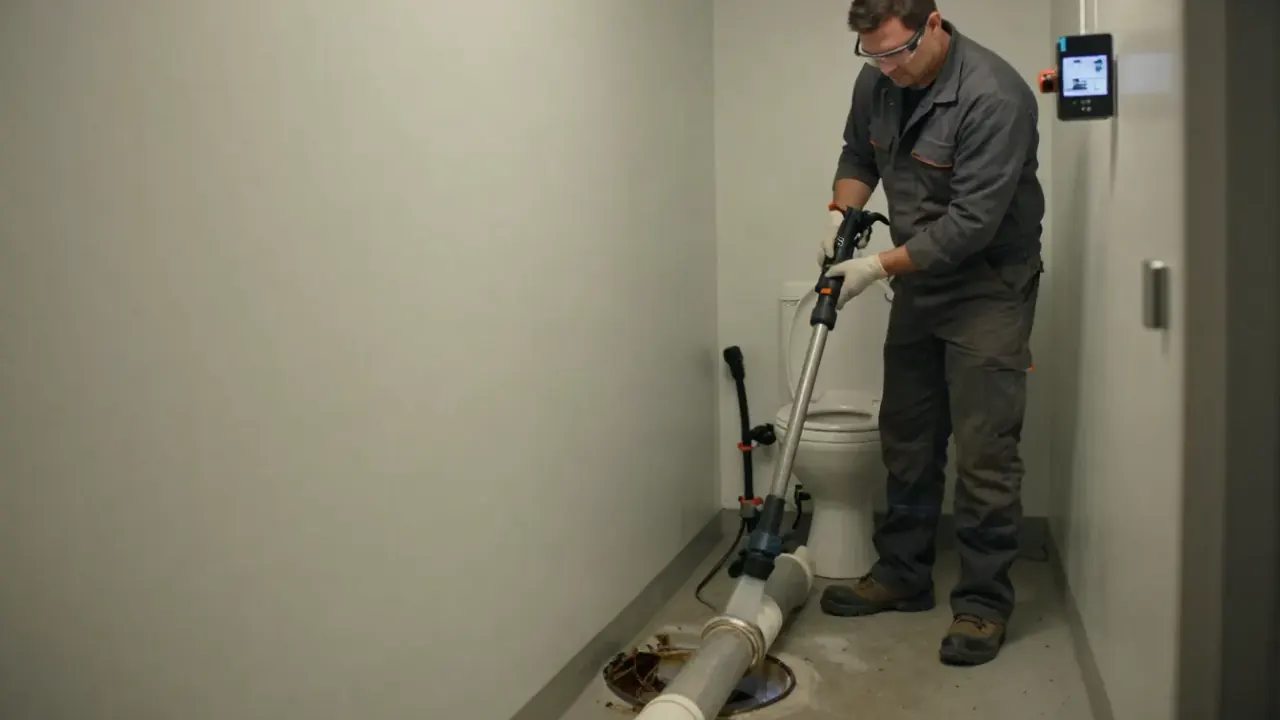
Grease trap cleaning Woburn MA helps restaurants, cafeterias, and commercial kitchens control fats, oils, and grease before they harden in the plumbing. ClearLine Sewer & Drain Cleaning removes accumulated contents, checks the trap and connected piping, and helps you plan repeat service around actual kitchen use. If odors, slow fixtures, or a rising trap level are disrupting a shift, our local crew can help restore dependable flow.
Grease trap cleaning Woburn MA is a plumbing maintenance service that removes accumulated fats, oils, grease, food solids, and wastewater from a kitchen interceptor to help prevent blockages and backups. We open the access cover, remove the contents, clean accessible internal surfaces, and check inlet and outlet flow. The work is more than emptying a container: a trap that retains heavy sludge or has a blocked outlet can continue causing trouble after pumping. We leave the work area clean and explain any visible concerns before wrapping up.
Woburn kitchens face varied workloads, from steady restaurant service near Central Square to food preparation in busy commercial buildings. High-volume cooking, dishwashing surges, and neglected maintenance can build grease buildup, biofilm and sludge, and drain odor inside the system. Our grease trap service Woburn MA is planned around trap capacity, menu, and daily covers rather than a one-size-fits-all calendar. If you are searching how often to clean grease trap Woburn, we assess the actual accumulation and help set a practical schedule.
A routine visit covers access to the interceptor, removal of accumulated wastewater, fats, oils, grease, and settled solids, cleaning of reachable interior surfaces, and a visual check of accessible components. We secure the cover and review the condition with you. Downstream drain clearing, camera inspection, repairs, or service to a separate interceptor are additional work when needed; we explain that distinction before proceeding.
01
✓
Waste Removal
We pump out the contents held in the accessible interceptor, including liquid, floating grease, and settled food solids. The amount removed helps show how heavily the unit was loaded. We handle the work in a controlled manner and keep removed material away from active food-preparation surfaces.
02
✓
Reachable Surface Cleaning
After pumping, we clean reachable interior surfaces so accumulated residue does not remain as a thick layer inside the unit. The depth of access depends on the interceptor design and safe working conditions. We also make a visual check of accessible baffles and the cover seating.
03
✓
Flow and Component Check
We check visible inlet and outlet openings for obvious obstruction and note whether the accessible flow appears restricted. This is not a full pipe inspection. If the outlet remains slow or multiple fixtures are affected, we explain whether a drain camera or separate line-clearing service is appropriate.
04
✓
Closeout and Maintenance Guidance
We secure the access cover, tidy the immediate work area, and tell you what we observed. You receive practical guidance on a next service interval based on the material removed and kitchen use. Keeping a simple visit log helps managers compare accumulation from one cleaning to the next.
How it works
What to Expect During Service
We identify the interceptor, confirm a safe route for hoses and equipment, and review any access instructions with you. You can point out recent odors, slow sinks, or a previous backup. Before opening the unit, we protect nearby work surfaces and keep the path clear so restaurant staff can continue using unaffected areas.
We remove the cover carefully and inspect the liquid level, floating grease layer, settled solids, and visible condition of the baffles. This first look helps distinguish routine accumulation from a damaged or obstructed component. We also check how the trap is positioned and whether access conditions require additional time or equipment.
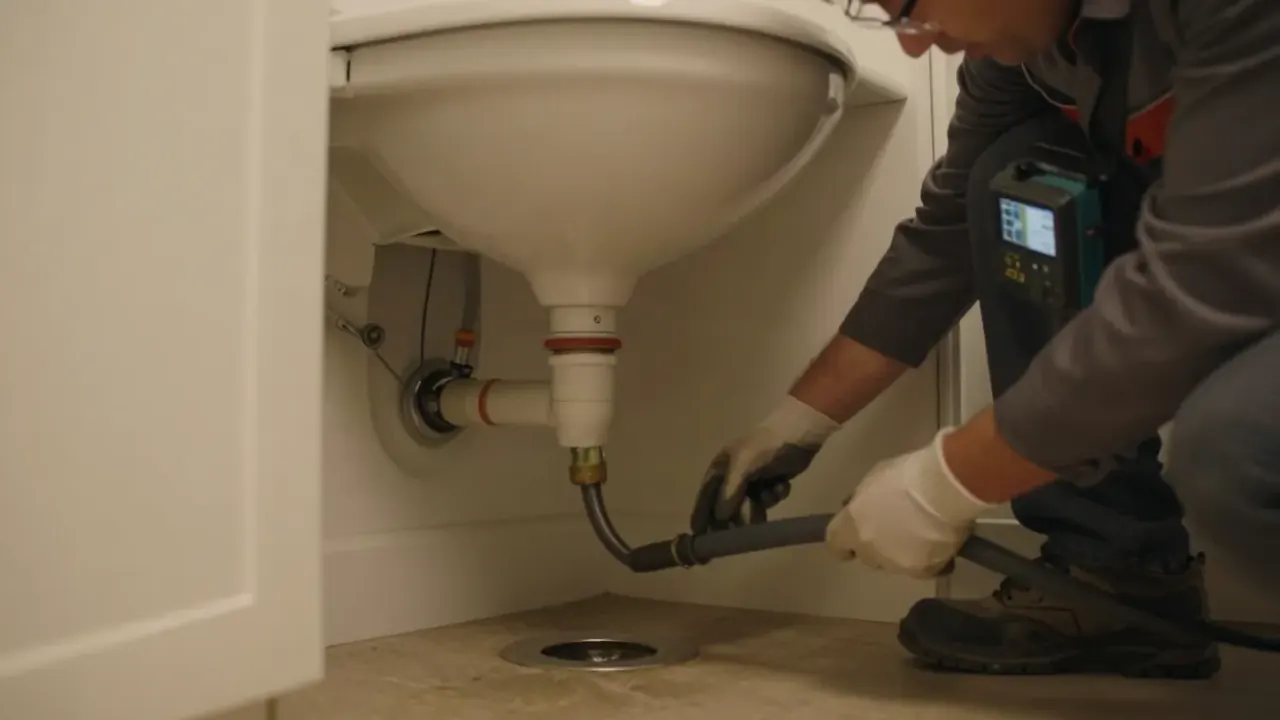
We pump out the wastewater, fats, oils, grease, and settled food solids using suitable vacuum equipment. For a typical accessible indoor unit, pumping and cleaning often take 30 to 60 minutes within a 1-to-2-hour visit. Capacity, hose distance, and heavy solids affect the actual duration, and we keep the area controlled while the unit is open.
After removal, we clean reachable interior surfaces and inspect accessible baffles, cover seating, and inlet and outlet openings. If the outlet remains slow, we explain whether a separate line-clearing step is needed rather than treating pumping as a cure for every pipe blockage. A drain camera can help locate a downstream restriction when conditions call for inspection.
We reinstall the cover, check that it sits securely, and leave the immediate work area tidy. Before leaving, we review the material removed, any visible wear, and a suggested service interval based on your use. You receive one practical next step, such as monitoring a slow fixture or scheduling the next maintenance visit.
STEP 01Confirm Access
We identify the interceptor, confirm a safe route for hoses and equipment, and review any access instructions with you. You can point out recent odors, slow sinks, or a previous backup. Before opening the unit, we protect nearby work surfaces and keep the path clear so restaurant staff can continue using unaffected areas.
Tools & methods
Equipment and Cleaning Methods
01
✓
Vacuum Pumping Equipment
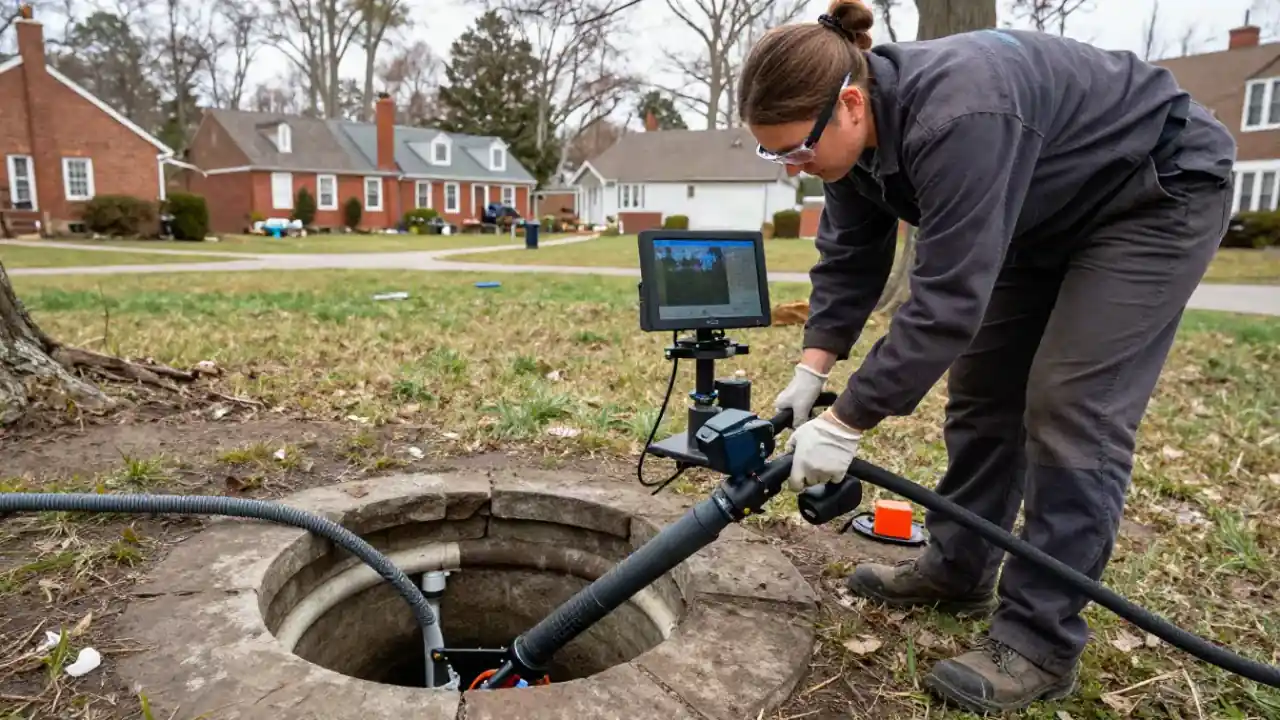
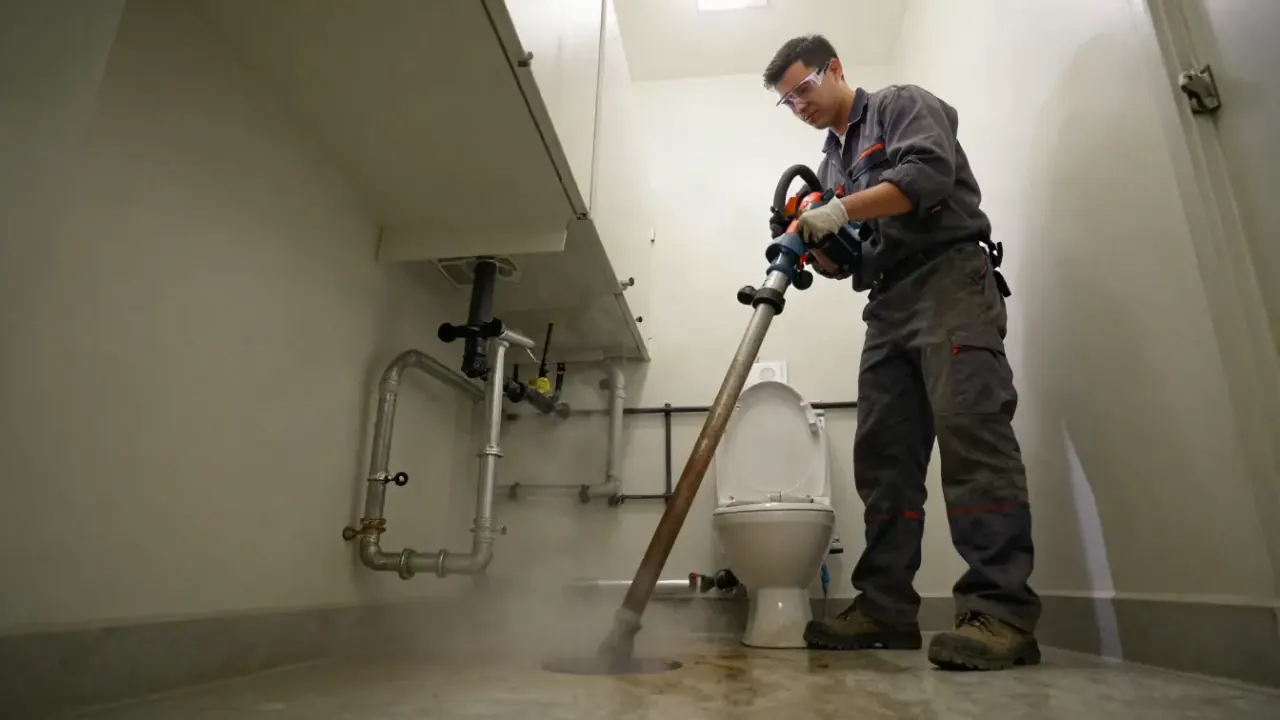
Removes liquid waste, floating fats, oils, grease, and settled solids from an accessible interceptor. We select hose routing and equipment setup to suit the unit's location and the available work area.
02
✓
Drain Camera
Provides a view inside an accessible connected pipe when flow remains restricted after the trap is clean. The camera helps distinguish a downstream blockage from a full interceptor before a separate clearing method is selected.
03
✓
Plumbing Auger
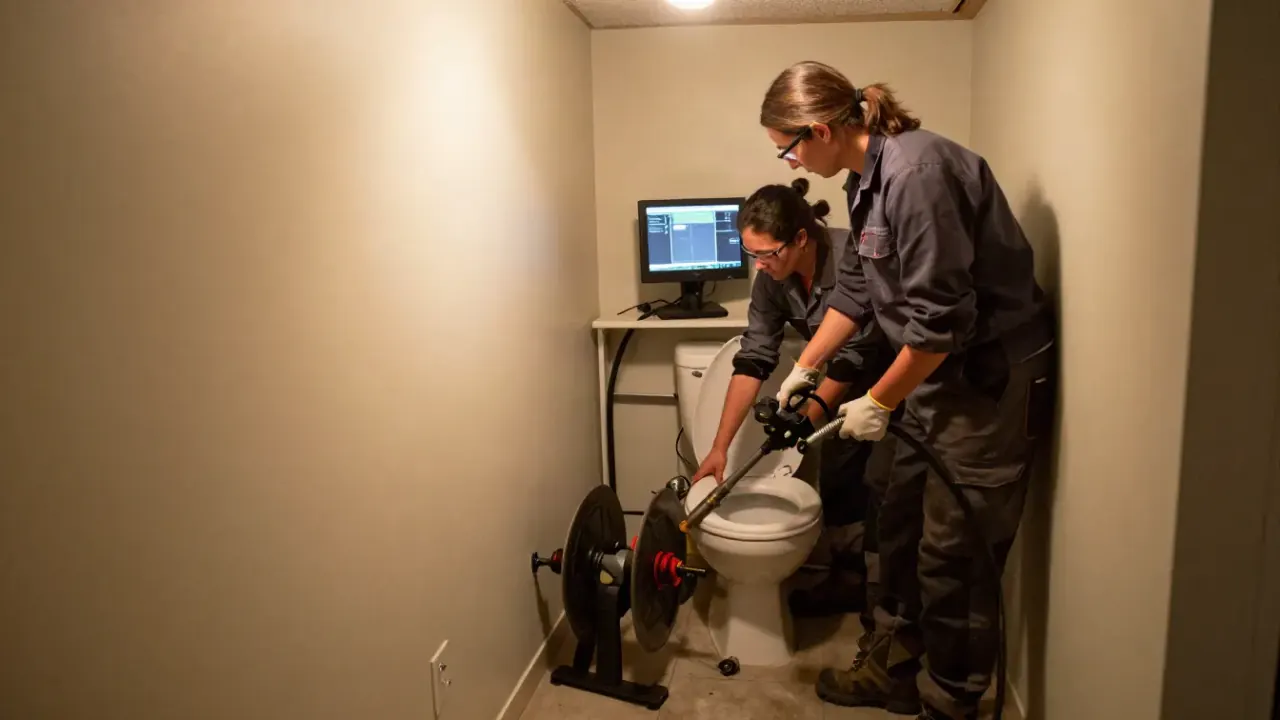
Clears a suitable localized branch obstruction when inspection indicates a mechanical cable is the appropriate method. An auger does not replace pumping or remove all settled material from a grease trap.
04
✓
Hydro Jetting Machine
Uses controlled water pressure to clean compatible downstream piping when a camera or other inspection supports jetting. We assess pipe condition and access before applying pressure; this is not a routine step for every interceptor visit.
05
✓
Pipe Wrench
Helps handle suitable service fittings and access components when the equipment design calls for it. We use the correct tool for the connection and avoid forcing covers or fittings that could be damaged.
Real results
Before and after.
Grease Trap Cleaning
Slow Prep Sink Restored
A Woburn restaurant reported that its prep sink took several minutes to clear during the dinner rush. The interceptor had a thick floating grease layer and settled food solids, leaving less effective separation space. Staff had started limiting sink use, but the condition was not yet causing a full kitchen shutdown.
After: We removed the accumulated contents, cleaned reachable surfaces, and checked the accessible outlet. The trap was returned to a serviceable condition, and the sink drained normally during the post-service check. The visit took about 2 hours, including access, pumping, cleanup, and review of the findings with the manager.
A cafe near Montvale noticed a persistent sour smell around the kitchen interceptor, especially after the closing shift. Surface cleaning had not solved it. The cover and accessible area looked intact, but retained grease and solids inside the trap were producing a strong odor.
After: We pumped the interceptor, cleaned reachable interior surfaces, and checked that the cover seated securely. The source material was removed, and the work area was left tidy. Staff reported that the odor had cleared after service and could use the kitchen without the smell returning during the immediate follow-up period.
A commercial kitchen near Cummings Park had a floor drain back up even though the interceptor had been pumped recently. Several fixtures drained slowly, raising concern that the trap was already full again. The pattern suggested that the issue could be farther downstream than the interceptor.
After: We checked the accessible trap and found it was not heavily loaded. A separate inspection of the connected line identified a restriction beyond the unit, so the issue was handled as a line-clearing problem rather than another unnecessary pump-out. Flow was checked again after the appropriate follow-up work.
A full interceptor can create more than an unpleasant smell: it can slow kitchen fixtures, contribute to backups, and interrupt food preparation. If you are comparing grease trap cleaning cost Woburn MA, the condition of the unit and access matter as much as its size. We identify the immediate issue and separate routine cleaning from downstream repairs.
Kitchen sink drains slowly during peak food preparation
We inspect the trap level and accessible connections, then remove accumulated waste if the interceptor is loaded. If the sink remains slow after cleaning, we trace the branch restriction separately with suitable equipment. That prevents repeated pump-outs from being used to address a blockage that is farther down the line.
↗02
Rancid drain odor returns after routine surface cleaning
We open the interceptor, remove its contents, clean reachable surfaces, and check whether the cover seats securely. If odor persists after the trap is clean, we look at other likely sources such as a dry fixture seal or downstream buildup. You get a cause-focused next step rather than a fragrance treatment.
↗03
Grease trap fills quickly between planned visits
We compare the removed volume with the trap's apparent capacity and ask about menu, operating days, and cleaning practices. That information helps identify whether the schedule is too long or solids are entering the system unnecessarily. We recommend an interval grounded in observed accumulation, not a generic promise.
↗04
Floor drain backs up near a commercial kitchen work area
We check whether the interceptor is full and whether the affected drain connects to the same branch. We remove trap waste when needed, then assess remaining flow. If the floor drain still backs up, we treat that as a separate line restriction and explain the appropriate clearing or inspection step.
↗
Proof you can check
Service Standards and Proof
Massachusetts Plumbing License · Commonwealth of Massachusetts
Master Plumber License · Commonwealth of Massachusetts
Journeyman Plumber License · Commonwealth of Massachusetts
OSHA Safety Certification · Occupational Safety and Health Administration
A routine accessible trap service often costs about $180 to $450 in Woburn, while larger interceptors or difficult access can raise the total. Typical 2026 pricing depends on capacity, waste volume, hose distance, and whether a separate drain blockage needs clearing. We explain pricing upfront before work proceeds. Pumping does not automatically include repair or downstream jetting, so the price reflects the actual service required.
Many commercial kitchens schedule cleaning every 1 to 3 months, but the right interval depends on trap capacity and the rate of accumulation. A busy fryer-heavy kitchen may need shorter intervals than a lower-volume cafe. We inspect the removed contents and help you set a schedule based on observed buildup, operating days, and symptoms. Keep a service log and arrange earlier cleaning if odors or slow drainage return.
Woburn restaurants should maintain their grease control equipment and follow applicable local sewer-use requirements; confirm site-specific requirements with the local authority. Keep service records, prevent fats, oils, and grease from entering sinks, and do not rely on additives to replace physical cleaning. Grease trap cleaning rules Woburn MA can depend on the interceptor and property, so we recommend checking current requirements for your facility.
Yes, ClearLine provides grease trap pumping in Woburn MA for commercial kitchens and food-service facilities. We remove accumulated liquid, grease, and settled solids, clean reachable interior surfaces, and check accessible components before securing the cover. A common accessible job takes about 1 to 2 hours; larger units or restricted access take longer. Call (781) 851-1094 to discuss your trap size, access, and current symptoms.
If your kitchen has a slow sink, rising trap level, or persistent drain odor, call ClearLine Sewer & Drain Cleaning. We provide upfront pricing and explain the work before service begins. Reach our Woburn team at (781) 851-1094 to arrange grease trap service.
Call ClearLine Sewer & Drain Cleaning at (781) 851-1094 to discuss a clogged sink, sewer backup, or commercial drain issue in Woburn, MA. Our team answers service inquiries during business hours and handles urgent requests by phone; tell us which fixtures are affected and whether water is actively backing up so we can understand the priority.